Mama's Cooking Fish And Seafood!
Before you can start cooking fish or seafood, you have to buy it if you're not going to catch it!
You need to follow some simple cooking tips and buying tips when it comes to fish and seafood If you want to catch fish, you'll have to ask Paw.
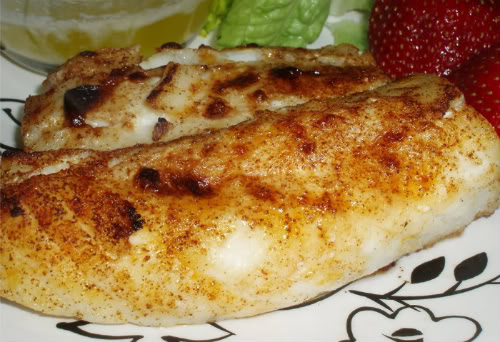
When Buying Fresh fish:
* If you are going to buy whole fresh fish make sure it has bright, clear and shiny eyes.
* The scales should be shiny and tight up against its skin. The gills should be bright pink or red.
* Fillets should be firm and moist. Don't buy it if it looks dry or brown around the edges or has a "fishy" smell.
When Buying Fresh Seafood:
* Make sure that it does not have discolored edges, it looks fresh. It should look "healthy".
* Crab and lobster should be bought either live or frozen.
* When buying clams, make sure that the shells are tightly closed.
* Mussels should not sound hollow when tapping on them, this means they are dead and need to be thrown away.
* The most important thing to remember is that it should smell like the sea, not fishy.
When Buying Frozen fish and seafood:
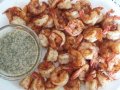
* Make sure that the package is sealed tight, and shows no sign of discoloration or drying.
* As soon as you get it home, get it in the freezer right away.
* You should always thaw any kind of frozen seafood in the refrigerator.
* Do not thaw seafood at room temperature or under a running water, you might ruin the flavor and/or quality.
* Never, never, never refreeze seafood.
Now for cooking fish and seafood:
*
Cooking Light
? Fish and Seafood are great when you're trying to loose weight or on those hot summer days.
* The best rule of thumb is to measure it at its thickest point and cook it 10 minutes for every inch of thickness.
* Fish that is done just right will be opaque and flake easily with a fork.
* Over cooking seafood will cause it will lose its moisture and be rubbery and tough.
* When cooking seafood like scallops, clams, oysters and shrimp, just like fish, they are done when they are opaque and firm.
* If you're cooking fish, make sure it reaches an internal temperature of 140° F on an instant read thermometer.
* Shrimp and scallops cook quickly. 3 to 5 minutes when steaming, boiling or broiling and 7 to 9 minutes when pan frying or sauteing, so don't overcook!
* When you batter fry fish or seafood, make sure the batter is cold and the oil is hot. The combination will keep the fish from becoming greasy.
Learning how to cook fish isn't hard if you follow these basic tips!
Try these southern favorites:
Salmon Croquette Recipe
Grilled Shrimp With Garlic Butter
Tuna Noodle Casserole
Fried Fish With Tartar Sauce
Glazed Salmon
Pan Roasted Salmon
Crab Cakes
Poor Man's Lobster
Barbeque Shrimp
Oven "Fried" Fish
Panko Breaded Shrimp
Return to the top of Cooking Fish
Return to Mama's Southern Cooking Homepage




Chosen as one of the 50 Best Southern Food Blogs by


If you like my website, you're gonna love my new ecookbook Tried and True Recipes from Mama's Kitchen.

Now you can make your favorite restaurant recipes at home!
Chosen as one of the 50 Best Southern Food Blogs by
If you like my website, you're gonna love my new ecookbook Tried and True Recipes from Mama's Kitchen.
New! Comments
Have your say about what you just read! Leave me a comment in the box below.